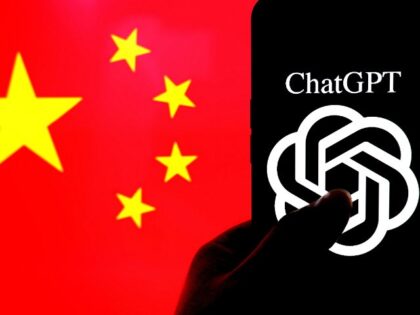
The revelation that Chinese operatives were quietly weaponizing ChatGPT to shape American conversations on tariffs and AI infrastructure should serve as a flashing red warning light for anyone who values an informed citizenry—especially Second Amendment supporters who already know how quickly policy debates can be steered by unseen hands. While the story centers on economic and tech issues, the underlying tactic is the same one that has long targeted gun owners: flood the information space with synthetic voices, manufactured consensus, and emotionally charged talking points until real Americans start questioning their own positions. OpenAI’s decision to ban the accounts is welcome, but it also underscores how dependent we’ve become on a handful of private platforms to police foreign interference in domestic discourse.
For the firearms community, this episode is a reminder that the same tools used to argue about semiconductor supply chains can just as easily be turned against the right to keep and bear arms. Coordinated influence operations have already tried to paint lawful gun owners as extremists, amplify isolated incidents into national crises, and pressure lawmakers with the appearance of overwhelming public demand for restrictions. When foreign actors gain the ability to generate thousands of seemingly authentic comments, articles, and social-media threads at machine speed, the asymmetry between grassroots truth-tellers and state-backed narrative machines grows even more lopsided. The 2A community’s long-standing skepticism toward centralized control of speech and information suddenly looks less like paranoia and more like prudent threat assessment.
Ultimately, the episode highlights why decentralized platforms, open-source models, and an armed, self-reliant populace matter. If the information environment can be gamed by authoritarian regimes, then the ability of citizens to communicate, organize, and—if necessary—defend their rights without relying on gatekeepers becomes a national-security issue, not just a constitutional one. The Chinese operation may have focused on tariffs today, but the same playbook will be aimed at every policy Americans still have the freedom to debate tomorrow.