

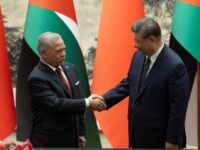
China’s pivot away from Tehran is less a retreat than a recalibration, and the ripples are already reaching the Persian Gulf’s smaller monarchies that have long hedged their security bets with American arms. Beijing once imagined Iran as a reliable energy spigot and a gateway for Belt-and-Road rail lines; instead, sanctions, internal unrest, and Tehran’s own miscalculations have left the Islamic Republic a liability. In response, Chinese state firms are quietly courting the UAE, Saudi Arabia, and even Israel with port deals, semiconductor fabs, and—most tellingly—dual-use technology transfers that skirt the line between civilian infrastructure and military enablers. For the 2A community, the takeaway is straightforward: when a near-peer competitor starts flooding the region with precision optics, drone components, and “civilian” small-arms manufacturing know-how, the qualitative edge once enjoyed by U.S.-aligned forces narrows, and that narrowing eventually shows up on the civilian market as cheaper, reverse-engineered parts and optics.
At the same time, Washington’s own arms-sales bureaucracy remains mired in end-use monitoring and human-rights provisos that Gulf buyers increasingly view as political risk. If Beijing can offer comparable lethality with fewer lectures, Arab procurement officers will listen—even if the rifles wear Chinese roll-marks instead of Colt. That dynamic puts fresh pressure on American gunmakers to accelerate export-friendly designs and on domestic shooters to stay ahead of the technology curve; after all, the same supply chains that deliver Chinese red-dots to Dubai gun shows can, under the right conditions, feed gray-market channels closer to home. The 2A takeaway is therefore twofold: keep an eye on who is arming whom in the Gulf, because those choices shape tomorrow’s spare-parts ecosystem, and remember that every new Sino-Arab security pact is another argument for maintaining a robust, independent domestic firearms industry that doesn’t rely on the same fragile supply lines now being rewired in the Middle East.


