

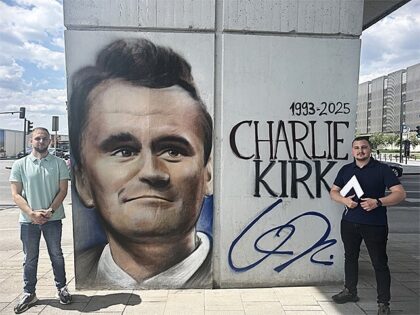
In the heart of Belgrade, where the scars of past conflicts still shape the national psyche, street artists have immortalized Charlie Kirk with larger-than-life murals that blend American conservative iconography with Serbian defiance. These aren’t mere tributes; they’re visual declarations that Kirk’s message—unapologetic defense of Western values, skepticism of globalist overreach, and a firm stance on individual liberty—resonates far beyond U.S. borders. For the 2A community, the imagery is especially potent: murals depicting Kirk alongside symbols of armed self-reliance echo the same spirit that fuels American gun owners’ resistance to incremental disarmament. Serbia’s own history of civilian marksmanship traditions and hard-won sovereignty makes the connection visceral; locals see in Kirk a kindred fighter who refused to surrender cultural ground without a fight.
What makes this phenomenon striking is how it reframes the American gun-rights struggle as part of a broader, transnational pushback against centralized power. Serbian artists aren’t just honoring a fallen conservative—they’re signaling that the principles Kirk championed, including the natural right to bear arms as a check on tyranny, travel well across oceans and cultures. In a Europe where civilian firearm ownership faces relentless bureaucratic erosion, these murals serve as quiet reminders that the Second Amendment isn’t an American eccentricity but a universal safeguard against the very authoritarian impulses many Serbs still remember. For U.S. gun owners watching their own rights chipped away through red-flag laws and magazine bans, the Belgrade street art offers both solidarity and a cautionary mirror: if even distant nations recognize the stakes, the domestic fight for constitutional carry and shall-issue permitting gains renewed moral weight.
Ultimately, the murals underscore a truth the 2A community has long argued—that an armed, informed citizenry is the foundation of any free society, and that attacks on that foundation, whether by bullets or by legislation, only strengthen resolve. As American gun owners navigate an election cycle thick with proposals to further restrict access, the sight of Kirk’s likeness watching over Belgrade streets suggests the movement he helped build has already seeded allies abroad. The message is clear: the right to keep and bear arms isn’t just a policy preference; it’s a living idea that, once planted, finds fertile ground wherever people refuse to trade liberty for the illusion of safety.


