

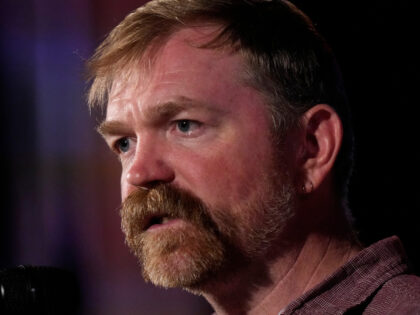
The center-left think tank’s blunt assessment of Graham Platner’s collapse is less a warning about one candidate’s personal failings and more an admission that the Democratic Party’s reflexive hostility to gun owners has become a self-inflicted electoral wound. Platner’s campaign cratered not because voters suddenly discovered he owned firearms, but because the party’s activist base and donor class treated any deviation from strict gun-control orthodoxy as disqualifying. That rigidity forced him into a defensive crouch, then into contradictory statements that handed opponents a narrative of evasion and inauthenticity. For the 2A community, the lesson is clear: when even center-left analysts concede the party must “learn” from this, it signals that single-issue gun voters remain a durable swing bloc capable of punishing candidates who treat constitutional rights as optional.
The deeper implication is that the think tank’s prescription—toning down the rhetoric and avoiding purity tests—will be difficult to implement inside a coalition where gun control functions as cultural signaling rather than policy analysis. Primary voters and progressive staffers still reward candidates who promise assault-weapon bans, magazine restrictions, and red-flag laws without serious due-process safeguards. Any Democrat who tries to moderate on these issues risks being labeled a sellout before the general election even begins. That structural pressure keeps producing the very “fiascos” the think tank now laments, ensuring that pro-2A voters in purple states continue to receive unmistakable signals about which party actually respects their rights.
For gun owners watching 2026 and 2028 cycles, the takeaway is strategic rather than celebratory. The Democratic Party’s internal contradictions on firearms create openings, but only if Second Amendment advocates stay organized, well-funded, and willing to punish flip-flops at the ballot box. When even sympathetic analysts admit the current approach is failing, the 2A community’s job is to make the political cost of anti-gun posturing so obvious that future candidates calculate differently.


