

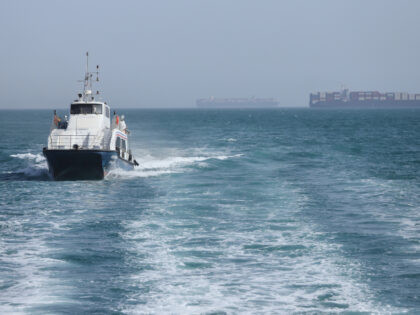
The downing of a U.S. Army Apache near the Strait of Hormuz and the swift American response against Iranian targets is a textbook reminder that rotary-wing gunships remain the decisive close-support asset when diplomacy collapses. The AH-64’s ability to loiter, designate, and deliver precision munitions under fire is exactly why the platform—and the constitutional right to keep and bear arms that funds its development—matters far beyond the battlefield. When an adversary shoots one down, the only credible deterrent is an equally capable force that can answer immediately, and that force is built on the same Second Amendment ecosystem that keeps civilian rifles, optics, and ammunition innovation alive at home.
For the 2A community the takeaway is straightforward: every restriction on domestic manufacturing, magazine capacity, or accessory development is a self-inflicted wound that slows the very industrial base the Pentagon relies on when an AH-64 is lost. The same small arms companies that produce M4/M5 carbines and advanced optics also feed the supply chains for crew-served weapons and targeting pods; kneecap one and you eventually kneecap the other. In an era when peer competitors are fielding cheap drones and man-portable air-defense systems, preserving an unrestricted domestic firearms industry is not hobbyist indulgence—it is strategic depth.
The broader implication is that peace-through-strength still rests on an armed citizenry whose skills, marksmanship culture, and manufacturing capacity can be mobilized faster than any adversary expects. Whether the next crisis is in the Gulf or closer to home, the ability of free people to own and train with effective arms remains the ultimate backstop when rotary-wing assets are lost and the map redraws itself overnight.


