

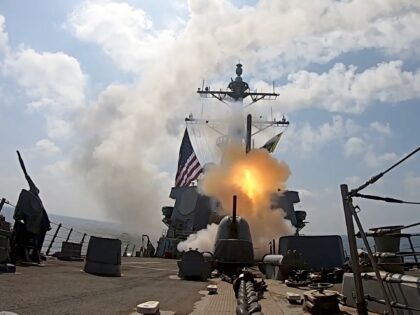
The latest round of CENTCOM strikes—now on night thirteen—shows how quickly a regional clash can turn into a sustained air campaign that consumes precision munitions at a pace few civilians appreciate. Every Tomahawk, JASSM-ER, or drone-killing interceptor fired over the Gulf is one less round sitting in a U.S. magazine, and the same factories that replenish those magazines also produce the AR-15 bolts, Glock slides, and match-grade barrels American citizens buy every day. When Washington starts talking about a “massive attack bigger than anything before,” the 2-A community should read that as a warning order on component allocation, powder reserves, and the very real possibility that export controls or Defense Production Act directives could throttle commercial supply the same way they did in 2020–2022.
Tehran’s rejection of the ceasefire and its threat to widen the battlefield only raises the stakes. A broader conflict would likely pull in Hezbollah rockets, Houthi anti-ship missiles, and Iranian mine-craft in the Strait of Hormuz—exactly the scenario that spikes oil prices and, historically, drives runs on ammunition, optics, and magazine components. The gun-owning public has watched this cycle before: fear of instability translates into panic buying, followed by panic legislation. If Congress returns to session under the cloud of escalating strikes, expect hurried hearings on “military-grade hardware in civilian hands” and renewed pushes for universal background checks or interstate ammo sales bans framed as emergency measures.
What the 2-A community can do now is treat the thirteenth night of strikes not as distant headlines but as a logistics forecast. Stock what you realistically train with, audit storage for temperature-sensitive powder and optics, and keep an eye on state-level proposals that tend to surface whenever the evening news shows carrier strike groups headed east. The right to keep and bear arms has survived oil shocks and expeditionary wars before, but only because owners anticipated the squeeze instead of reacting to it after the shelves were bare.


