

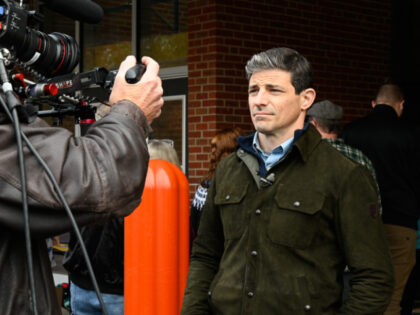
The lawsuit filed by former ABC News producer Samira Said against CBS chief correspondent Matt Gutman is more than a workplace dispute—it’s a reminder that the same media institutions that lecture the public about “toxic masculinity” and “gun violence” are themselves riddled with the very power imbalances they claim to abhor. Gutman’s alleged sexualized remarks, made while both were at ABC, underscore how elite newsrooms often operate as insulated fiefdoms where accountability is selective and narrative control trumps transparency. For the 2A community, this isn’t just gossip; it’s evidence that the outlets shaping the national conversation on self-defense, carry rights, and the Second Amendment are staffed by individuals whose own conduct invites scrutiny they rarely apply to law-abiding gun owners.
What makes this story particularly relevant is the broader pattern: legacy media figures who push for restrictions on firearms and due process for citizens often enjoy institutional protections that ordinary Americans—especially those defending their homes or businesses—do not. When a high-profile correspondent faces accusations of harassment, the same networks that demand swift “accountability” for permit holders or small-business owners exercising their rights suddenly discover the virtues of due process and context. The 2A community has long argued that rights are meaningless without consistent standards; this lawsuit illustrates how uneven those standards remain when applied to the cultural gatekeepers themselves.
Ultimately, the case serves as a cautionary tale about trusting institutions that claim moral authority while shielding their own. As the lawsuit moves forward, expect the usual media spin—some outlets will minimize, others will amplify—but the underlying message for gun owners is clear: the people framing the debate on your rights are not immune to the human failings they project onto the public. In an era where every defensive gun use is dissected under a microscope, it’s worth remembering that the microscope rarely turns inward on those holding the pen.


