

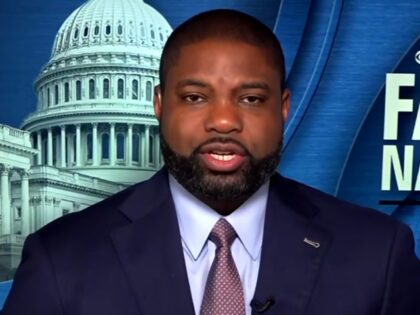
Rep. Byron Donalds’ blunt assessment on “Face the Nation” cuts through the usual media spin: the Biden-era border surge isn’t just a humanitarian or fiscal issue—it’s a public-health vector that can re-introduce diseases long thought eradicated in the United States. When Margaret Brennan tried to pivot the conversation to Florida’s vaccine rules, Donalds refused to let the narrative drift; he reminded viewers that the first measles case in the current cluster traces to an unvaccinated migrant who crossed the southern border. That single data point reframes the debate: lax immigration enforcement is not an abstract policy disagreement; it is a concrete risk to herd immunity in communities that have spent decades building it.
For the Second Amendment community, the lesson is familiar. Just as permissive sanctuary policies create safe havens for criminal aliens who later commit gun crimes, permissive border policies create reservoirs for pathogens that endanger the very families Second Amendment advocates swear an oath to protect. The same politicians who lecture gun owners about “public safety” now downplay a border so porous that a measles virus can hitch a ride north faster than any background-check database can track it. The hypocrisy is glaring: one side demands universal scrutiny for lawful gun purchases, yet shrugs when unvetted foreign nationals enter without so much as a health screening.
The deeper implication is strategic. If the administrative state can’t—or won’t—secure the border against communicable disease, it forfeits any moral claim to micromanage the private transfer of firearms between law-abiding citizens. Every measles case traced to illegal immigration is another data point proving that government border failure is the true “public-health crisis,” not the bogeyman of an AR-15 in a gun safe. The 2A community should treat this outbreak as Exhibit A in the larger argument: sovereignty, security, and self-defense are inseparable, and any administration that neglects the first two imperils the third.


