

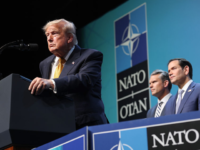
Trump’s incoming U.N. ambassador Mike Waltz is signaling that the next administration will treat diplomacy the way a successful businessman treats a deal—by finding the mutual self-interest that keeps both sides at the table. Waltz’s phrase “business binds people” is more than rhetoric; it reflects a worldview that measures alliances by trade volume, energy exports, and defense-industrial cooperation rather than by multilateral talking shops. For the firearms community that already watches how export licenses, ITAR rules, and foreign military sales affect domestic manufacturers, this approach could translate into faster approvals for U.S.-made small arms heading to friendly nations and fewer bureaucratic hurdles when American companies want to expand overseas production partnerships.
The practical upshot is that countries buying American weapons systems will also be buying into a broader commercial relationship that includes everything from LNG contracts to semiconductor supply chains. That linkage gives the United States leverage to push back against gun-control initiatives at the U.N. without having to issue moral lectures; if a partner nation wants continued access to American rifles, optics, and ammunition, it will think twice before signing onto Arms Trade Treaty expansions or endorsing global “gun-violence-prevention” resolutions. At the same time, domestic manufacturers gain breathing room to scale without the overhang of sanctions risk or sudden licensing freezes that have periodically chilled exports under previous administrations.
For Second Amendment advocates, the message is clear: when diplomacy is anchored in commerce rather than ideology, the political space for restrictive international agreements shrinks. A Trump-Waltz framework that rewards trading partners who respect U.S. sovereignty on firearms policy could blunt the momentum of transnational gun-control campaigns while simultaneously strengthening the export markets that keep American gunmakers competitive. The result is a virtuous cycle—more overseas sales, more domestic jobs, and a diplomatic posture that treats the right to keep and bear arms as a feature of American strength rather than a negotiating liability.


