

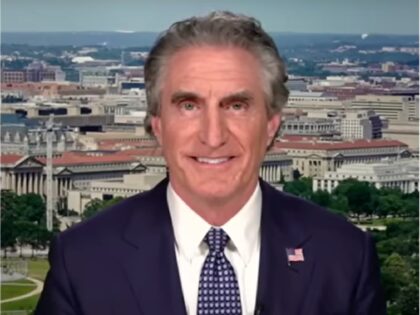
When Interior Secretary Doug Burgum points to record U.S. oil production and exports as the reason gas prices will keep falling, he’s really describing an energy policy that treats abundance as a national-security asset rather than a regulatory liability. By removing layers of federal red tape that had throttled domestic drilling, the administration has turned the spigot back on so aggressively that America is now the world’s top exporter of crude—an outcome that simultaneously undercuts OPEC leverage and keeps more dollars circulating inside the domestic economy. For the firearms community that reality matters because every cent saved at the pump is a cent that can be redirected toward range fees, training courses, or the next case of defensive ammunition; lower energy costs also blunt one of the left’s favorite arguments for restricting “gas-guzzling” trucks that many rural and working-class gun owners rely on for both livelihood and recreation.
The deeper implication is strategic: an energy-dominant United States is harder to coerce through supply shocks, which in turn reduces the political pressure to ration fuel or impose lifestyle mandates that historically have been used to justify incremental gun-control measures. When Americans feel economically secure, they are less likely to tolerate the “crisis” rhetoric that often precedes magazine bans, permitting schemes, or restrictions on the very vehicles needed to reach remote shooting areas. Burgum’s forecast therefore isn’t just about cheaper fill-ups; it’s about preserving the material conditions that let Second Amendment culture flourish—mobility, disposable income, and the confidence that comes from knowing the lights stay on and the engines keep running without begging foreign regimes for mercy.


