

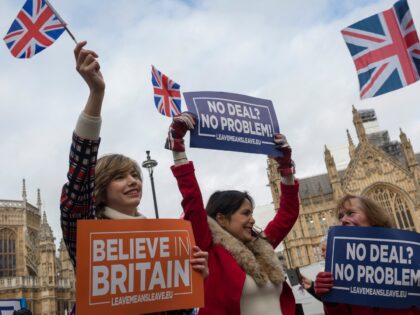
Ten years after the Brexit vote, the UK’s hard-won sovereignty still feels more theoretical than tangible for ordinary citizens who were promised they would “take back control.” The referendum itself was a textbook exercise in direct democracy—17.4 million people overriding Parliament and the political class—but the follow-through has been uneven: trade frictions persist, regulatory divergence is patchy, and the same Westminster insiders who once warned of catastrophe now quietly shape the post-Brexit settlement. For American gun owners watching from across the Atlantic, the lesson is blunt: winning a vote is only the first battle; the real fight is preventing the administrative state and globalist institutions from clawing power back through the side door.
That dynamic matters to the 2A community because the same forces that tried to keep Britain inside the EU—supranational rules, elite consensus, and a permanent bureaucracy—are mirrored in the international pressure campaigns now targeting American gun rights. UN arms-trade initiatives, WHO pandemic accords that could restrict firearm commerce, and coordinated NGO litigation all represent attempts to import foreign standards that bypass Congress and the states. Just as Brexit voters discovered that leaving the EU did not automatically shrink the domestic administrative state, American gun owners know that even favorable Supreme Court rulings can be undermined by ATF rulemaking, state-level magazine bans, and corporate de-banking unless citizens stay relentlessly engaged.
The takeaway is therefore not nostalgia for 2016 but a warning about unfinished business: sovereignty, whether national or individual, must be defended continuously against the gravitational pull of centralized power. British voters who thought the referendum would be the end of the story now face fresh calls for closer EU alignment on everything from data rules to defense procurement. Likewise, 2A advocates cannot treat court victories or election wins as permanent; they must treat every regulatory proposal, every international agreement, and every corporate policy as another front where control can be lost or regained. The British experience shows that ballots alone do not secure liberty—only sustained vigilance does.


