

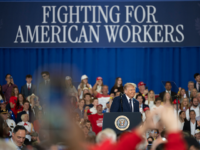
Trump’s economy is firing on all cylinders, and the numbers tell a story that goes far beyond quarterly GDP reports. With unemployment hovering near historic lows, real wages climbing for working families, and energy independence translating into lower costs at the pump, the current expansion is putting serious money back into the pockets of the very Americans who form the backbone of the firearms community. When household balance sheets improve, discretionary spending on everything from range time to new optics and defensive firearms tends to follow, turning economic optimism into tangible support for the industry that protects our constitutional rights.
What makes this moment especially potent for Second Amendment advocates is how policy and prosperity reinforce each other. Lower taxes and reduced regulatory drag have freed manufacturers to expand capacity and innovate without the overhang of anticipated restrictions, while stronger border enforcement and renewed respect for law enforcement have shifted the national conversation away from reflexive gun control and toward personal responsibility and preparedness. The result is a marketplace where innovation thrives—new calibers, improved ergonomics, and smarter accessories—because companies can plan for growth rather than survival under hostile rules.
For the 2A community, the takeaway is straightforward: economic strength is not just background noise; it is a strategic asset. A prosperous middle class with rising confidence is far more likely to invest in training, join pro-rights organizations, and push back against state-level infringements that rely on financial pressure. As long as the expansion continues, the industry’s ability to fund legal defense, develop next-generation products, and mobilize voters only grows, turning today’s strong numbers into tomorrow’s durable political and cultural advantage.


