

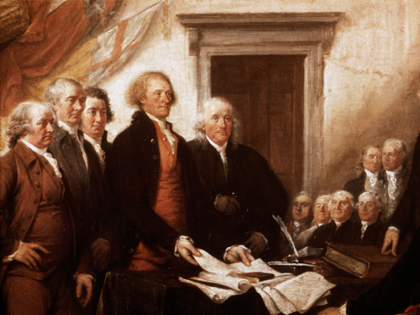
The economic grievances that sparked the American Revolution—resentment over taxation without representation, frustration with Crown-controlled immigration and trade, and a deep suspicion of distant, unaccountable government—aren’t dusty relics; they’re the same fault lines running through today’s policy fights. When the Founders demanded the right to set their own taxes, borders, and commerce rules, they were rejecting the idea that a faraway capital could dictate the terms of their prosperity. That same instinct drives the modern push to shrink federal overreach, secure the southern border, and renegotiate trade deals that have hollowed out domestic manufacturing. For the firearms community, these principles matter because every expansion of centralized power eventually circles back to the tools of self-defense; the same logic that once justified stamp taxes now underwrites magazine bans, pistol braces, and universal background-check registries.
What the Declaration’s economic logic makes clear is that political liberty and economic liberty are inseparable, and both rest on the practical ability of citizens to resist coercion. A government that can tax without limit, regulate commerce into submission, and open borders at will will eventually claim the authority to decide who may keep and bear arms. The 2A community therefore has a direct stake in “America First” economics: when domestic industry thrives, when federal spending is restrained, and when sovereignty is reasserted, the political space for gun-control schemes narrows. Conversely, every new layer of administrative control—whether framed as public-health, environmental, or equity policy—creates fresh pretexts to monitor, license, or confiscate the very arms that make self-government possible.
The enduring lesson is that the right to keep and bear arms is not an isolated privilege granted by the state; it is the enforcement mechanism for all the other rights the Founders listed. When citizens retain economic agency and the means of resistance, distant capitals think twice before imposing their will. That is why debates over taxes, trade, and immigration are never just about dollars and demographics—they are rehearsals for the larger question of who ultimately holds power in America, and whether that power will remain with a free, armed people or migrate back to an unaccountable administrative class.


