

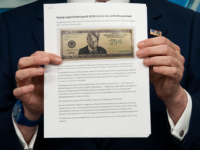
The notion of a $250 bill bearing Donald Trump’s likeness is more than a novelty—it’s a cultural Rorschach test for how Americans view both currency and the man who once occupied the Oval Office. While the Federal Reserve isn’t about to print such a denomination, the meme underscores a deeper frustration: many citizens feel their purchasing power has been eroded by years of monetary expansion, and they’re looking for symbols that push back against that narrative. For the firearms community, the imagery resonates because it ties directly to the same forces that have driven up the cost of ammunition, optics, and even the steel used in modern rifles. When the dollar buys less every year, the practical effect is that training, competition, and self-defense become more expensive, turning what should be a constitutional right into a discretionary luxury for some households.
Beyond the symbolism, the story highlights how political branding now bleeds into every corner of commerce and culture, including the gun industry. Manufacturers and retailers have long understood that limited-edition or politically themed products move quickly—think engraved 1911s, Trump-edition AR lowers, or commemorative ammunition runs. The $250 bill meme essentially functions as free market research: it shows there’s appetite for items that let owners signal both financial skepticism and political allegiance in one package. Savvy Second Amendment entrepreneurs are already watching to see whether this energy translates into demand for physical goods that preserve value better than fiat—gold- or silver-backed collectibles, high-end safe queens, or even serialized firearms marketed as “inflation hedges.”
The larger implication is that the 2A community isn’t just fighting regulatory battles in legislatures and courtrooms; it’s also navigating an economy where the cost of exercising rights is itself a form of soft restriction. Every time inflation outpaces wage growth, fewer people can afford a quality defensive handgun or the ammunition to stay proficient with it. That’s why conversations about currency, debt ceilings, and presidential branding aren’t side issues—they’re upstream of the practical ability to keep and bear arms. The $250 Trump bill may be tongue-in-cheek, but the underlying message is serious: if Americans want a robust right to self-defense, they also need an economy that doesn’t quietly price them out of it.


