

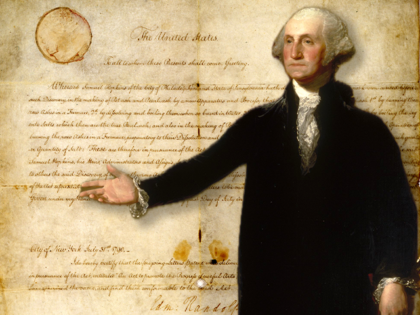
When Samuel Hopkins received America’s first patent on July 31, 1790, the young republic was still stitching together the legal fabric that would later guarantee citizens the right to keep and bear arms. Hopkins’s process for turning wood ashes into potash and pearl ash was more than a clever chemical trick; it was the first formal recognition that an individual’s ingenuity deserved the same protection the Founders would soon codify in the Bill of Rights. In an era when every frontier cabin needed reliable gunpowder, Hopkins’s refined potash became a critical ingredient for saltpeter—the oxidizer that made black powder burn. Thus the nation’s first patent was, in a very real sense, a 2A patent: it secured the supply chain that kept colonial muskets firing and, by extension, kept individual liberty intact against both foreign armies and domestic tyranny.
The timing is no accident. Just three years earlier the Constitutional Convention had debated whether standing armies or armed citizens posed the greater threat; the Founders chose the latter. Hopkins’s patent arrived as Congress was hammering out the language that would become the Second Amendment, signaling that property in ideas and property in arms were twin pillars of the same philosophy. A government willing to protect an inventor’s recipe for fertilizer was also willing to trust that same citizen with the means of self-defense—an early expression of the belief that rights are not gifts from the state but extensions of personal sovereignty.
Fast-forward to today’s patent battles over braces, bump stocks, and ghost-gun kits, and the lesson remains unchanged: when government monopolizes either intellectual property or physical arms, the individual loses twice. Hopkins’s modest certificate reminds the 2A community that the right to bear arms has always been intertwined with the right to innovate, to tinker, and to profit from one’s own ingenuity. The first financial bubble may have burst soon after, but the principle that an armed and inventive citizenry is the surest guarantor of liberty has never gone out of patent.


