

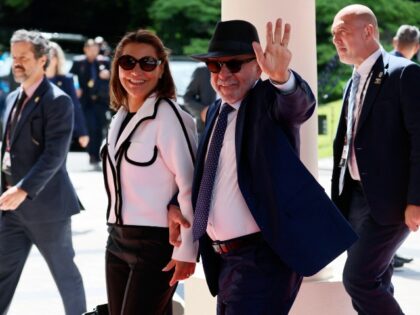
Brazil’s President Lula da Silva touched down in France this week carrying more than just the usual diplomatic baggage—he’s walking into a G7 summit where trade friction with both Washington and Brussels could easily spill over into security cooperation. With President Trump already signaling renewed tariffs on steel, aluminum, and agricultural goods, Lula’s team is quietly shopping for leverage, and one of the oldest bargaining chips in international politics is suddenly back on the table: arms sales and technology transfers. European defense firms are watching closely, but so are American manufacturers who remember how quickly Lula’s previous administration tilted toward Russian and Chinese suppliers when Western export licenses dragged.
For the U.S. firearms and defense community, the stakes are straightforward. Any Brazilian pivot away from American small arms, optics, and ammunition could shrink an already competitive export market while simultaneously flooding Latin America with lower-cost alternatives that often bypass the same end-user controls Washington demands. At the same time, Trump’s willingness to link trade concessions to security alignment gives pro-2A voices in Congress fresh ammunition to argue that export policy should reward allies who respect individual-rights frameworks rather than those courting authoritarian suppliers. If Lula walks away from the summit with new European defense deals instead of renewed U.S. licensing speed, the ripple effect will be measured not just in lost contracts but in the precedent it sets for how trade leverage can either strengthen or sideline the American gun industry’s global position.


