

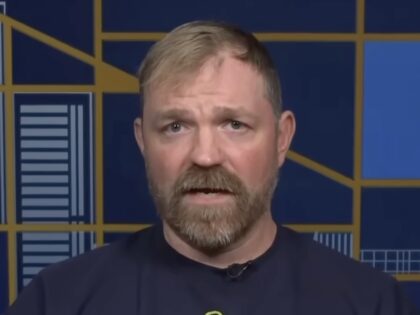
Former Sen. Barbara Boxer’s claim that Susan Collins’ 96% alignment with President Trump could prove more offensive to Maine voters than Graham Platner’s personal baggage is a textbook example of how coastal Democrats still misread the electorate. Collins has long been the Senate’s most reliable moderate Republican on guns, repeatedly backing background-check expansions and red-flag measures that split the difference between party leadership and her home-state hunters and anglers. Platner, by contrast, has drawn fire for past social-media posts and business ties that paint him as another coastal progressive parachuting into a rural state with little regard for the Second Amendment culture that defines much of Maine outside Portland. When Boxer frames Collins’ voting record as the greater sin, she is essentially telling gun owners that loyalty to Trump-era policies—many of which protected interstate handgun sales, blocked magazine bans, and kept the ATF from redefining pistol braces—is more disqualifying than whatever ethical questions surround her own party’s candidate.
That framing matters because Maine’s Senate race is one of the few remaining contests where the gun vote can still swing the outcome. Collins’ occasional breaks with Trump on appropriations riders have been offset by consistent opposition to the kinds of sweeping restrictions that would criminalize standard-capacity magazines or force universal registration. Platner’s campaign has offered only the usual Democratic talking points about “common-sense laws,” language that in practice has meant supporting the same failed policies that drove record gun sales in 2020. If voters ultimately decide that Collins’ Trump alignment is the real scandal, they will be endorsing a candidate whose party platform treats the right to keep and bear arms as a problem to be managed rather than a constitutional guarantee to be defended.
The larger takeaway for the 2A community is that national Democrats continue to view any Republican who votes with a pro-Second Amendment president as inherently suspect, regardless of that senator’s actual record on firearms legislation. Boxer’s remark is less about Collins’ specific votes and more about signaling to the base that deviation from the gun-control consensus is now the ultimate litmus test. Maine gun owners who have watched Collins protect their interests on suppressors, interstate transfers, and ATF overreach will have to weigh whether that incremental defense is worth more than rolling the dice on a challenger whose party has made clear its long-term goal is a national permitting regime.


