

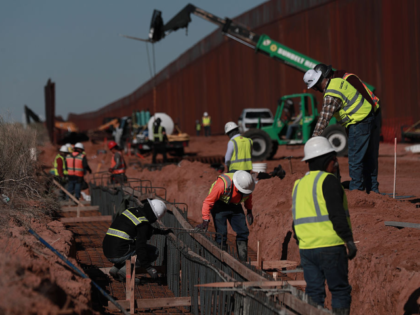
The announcement from Border Patrol Chief Rodney Scott that the wall system is tracking ahead of schedule and under budget isn’t just a construction milestone—it’s a direct rebuke to the narrative that physical barriers are ineffective or somehow anti-American. By extending a continuous, technology-augmented barrier from the Pacific to the Gulf, DHS is finally treating the southern border like the actual national-security perimeter it is, rather than a political talking point. For the 2A community this matters because every mile of completed wall reduces the smuggling corridors that cartels use to move both narcotics and the firearms they acquire through straw purchases or outright theft; fewer successful crossings mean fewer stolen guns feeding the very violence that gun-control advocates then blame on lawful owners.
Beyond the optics, the cost and schedule wins expose how previous administrations’ half-measures and legal delays inflated expenses while emboldening transnational criminal organizations. When barriers are paired with expedited removals and interior enforcement, the deterrent effect compounds: fewer got-aways translate into fewer opportunities for armed encounters between agents and cartel enforcers, lowering the daily threat load on federal officers who already operate in high-risk zones. That same logic scales to American communities hundreds of miles from the line—disrupting the northbound flow of weapons and drugs starves the black-market ecosystem that turns otherwise peaceful neighborhoods into war zones.
The larger implication is that secure borders and secure gun rights are not competing priorities; they are mutually reinforcing. A nation that cannot control its perimeter inevitably invites the argument that citizens must surrender rights to compensate for government failure. By demonstrating that competent execution can deliver results without endless blank checks, the current wall progress undercuts that argument and reinforces the principle that the Constitution’s protections remain intact when the federal government actually fulfills its Article IV obligation to defend the states against invasion.


