

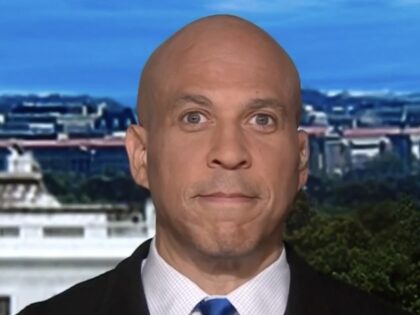
Sen. Cory Booker’s prediction that the Trump administration will fail to secure a deal with Iran inside 60 days is less a forecast than a political wager—one that carries direct consequences for the firearms community. If the administration walks away from the table or hardens its stance, the risk of renewed sanctions, proxy clashes, and a spike in regional instability rises sharply. That volatility historically drives up the price of imported components, optics, and ammunition while tightening the flow of specialty steels and rare-earth magnets used in modern optics and suppressors. In short, any escalation that rattles global supply chains lands squarely on the reloading bench and the gun-counter display case.
At the same time, the senator’s timeline underscores a deeper strategic reality: the United States is re-learning that deterrence is cheaper than containment. A credible threat of overwhelming conventional force, backed by a robust domestic defense-industrial base, has repeatedly proven more effective at keeping adversaries at bay than another round of multilateral signatures. For Second Amendment advocates, that lesson reinforces the value of a healthy small-arms sector capable of surging production when export controls tighten or foreign sources dry up. It also spotlights the importance of protecting the legal architecture—ITAR reform, CFSP licensing, and domestic manufacturing incentives—that lets American firms meet both military surge demand and civilian market needs without waiting on approvals from Brussels or Vienna.
Booker’s 60-day clock, therefore, is really a referendum on whether Washington will choose strength or stalemate. If the administration stands firm, the firearms community may face short-term price pressure but long-term supply-chain resilience; if it folds into another anemic agreement, expect renewed sanctions-evasion schemes, gray-market smuggling, and the same compliance headaches that followed the original JCPOA. Either way, the lesson for gun owners is clear: foreign-policy choices made in the next two months will echo in the cost and availability of the very tools that guarantee the right to keep and bear arms.


