

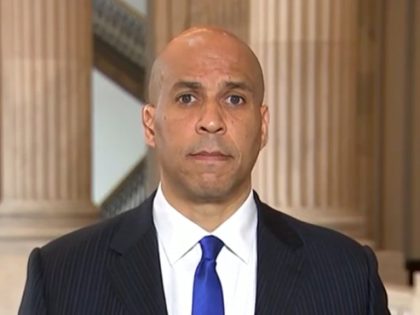
Sen. Cory Booker’s jab on CNN that President Trump is being “played as a fool” by Iran is the latest Washington talking point designed to paint any show of American strength as reckless theater. In reality, the administration’s maximum-pressure campaign—sanctions, targeted strikes, and a willingness to call Tehran’s nuclear bluff—has kept the regime off-balance and denied it the cash windfall that fueled proxy attacks under previous policies. For the firearms community, that matters because a distracted, cash-strapped Iran means fewer resources flowing to Hezbollah, Hamas, and Shia militias that have historically funneled weapons and training to groups hostile to both Israel and American interests; every dollar not spent on Iranian missiles is one less threat that could eventually boomerang back to U.S. soil or embassies.
The deeper irony is that the same voices now lecturing Trump on “diplomacy” spent years green-lighting the JCPOA, a deal that handed Iran pallets of cash and a sunset clause on enrichment limits while offering zero verifiable constraints on its ballistic-missile program. That arrangement didn’t just enrich a theocratic regime; it super-charged the regional arms race, prompting Gulf states and Israel to accelerate their own defensive procurements and reminding American gun owners why an armed citizenry remains the ultimate backstop when treaties fail. If Booker’s critique gains traction, expect renewed calls to re-enter a watered-down nuclear framework that history shows only delays, rather than deters, Iranian adventurism.
For Second Amendment advocates, the lesson is straightforward: foreign-policy weakness at the top trickles down to domestic policy debates about who should be trusted with the means of self-defense. A president willing to project strength abroad undercuts the narrative that only government can keep us safe, reinforcing the case that law-abiding citizens—not Beltway diplomats—remain the last line of deterrence against both foreign and domestic threats.


