

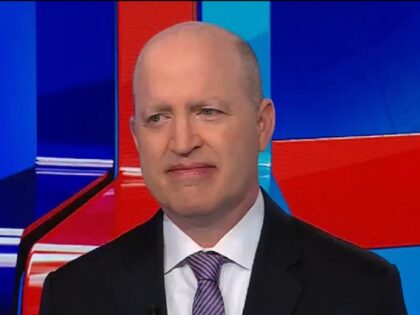
Democrats’ willingness to overlook Platner’s baggage once his polling numbers climbed reveals a familiar pattern: principles bend when power is on the line. For years the party has branded itself the guardian against extremism, yet the same voices that once demanded purity tests suddenly discovered tolerance when a candidate looked electable. That flexibility is not new; it surfaces whenever a rising figure can deliver votes, donations, or media momentum, and it underscores how quickly “unacceptable” rhetoric or associations can be rebranded as “complicated” if the polls cooperate.
For the Second Amendment community the lesson is straightforward: political capital, not consistent ideology, often decides whose past statements or affiliations receive scrutiny. When a candidate’s momentum shields him from the usual cancellations, it signals that gun-control advocates will likewise excuse allies whose records contradict their public messaging. The result is an uneven battlefield where pro-2A voices face relentless background checks while opponents enjoy selective amnesia, a reminder that electoral success remains the most reliable shield against selective outrage.
This episode also highlights why sustained grassroots organizing and state-level gains matter more than waiting for national messaging to stabilize. If Democrats can stretch their stated boundaries for a frontrunner, the 2A movement must treat every race as winnable and every candidate’s record as fair game, refusing to grant the other side a monopoly on redefining tolerance.


