

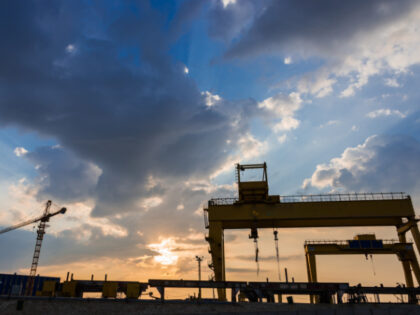
Romania’s €920 million naval revival has run aground at the bankrupt Mangalia yard, where a Dutch creditor now holds the keys and the Romanian economy minister admits the state is a spectator. The yard’s 1,000 laid-off workers are the visible cost of a procurement model that outsourced both financing and control to foreign banks and shipbuilders, leaving Bucharest unable to move even its own warships without permission from Amsterdam. For the 2A community the lesson is immediate: when a nation cannot build or maintain its own capital ships, it cannot guarantee the sea lanes that protect its sovereignty, and the same principle applies to the individual right to keep and bear arms—dependence on outside suppliers or political gatekeepers is the fastest route to disarmament.
The deeper problem is structural. Romania signed a contract that tied its naval future to a single foreign creditor; when that creditor pulled the plug, the entire program froze. The same pattern appears whenever governments treat defense production as just another line item to be outsourced for short-term savings. A country that cannot weld its own hulls will eventually be told which guns it may import, in what caliber, and at what price. Citizens who rely on the same state to safeguard their right to bear arms are gambling that the political class will never trade that right for cheaper imports or favorable trade deals.
The Mangalia fiasco is therefore a warning flare for every nation that still prizes individual liberty. A self-reliant defense industry—whether it produces frigates or firearms—keeps decision-making power inside the country and out of the hands of foreign banks or supranational regulators. Without that industrial base, both fleets and freedoms become negotiable assets rather than guaranteed rights.


