

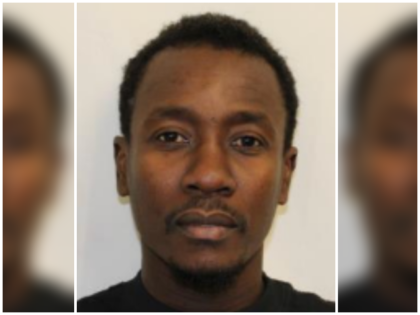
The Biden administration’s parole program has once again placed American communities in the crosshairs—this time in Salt Lake City, where an illegal alien released into the interior under the president’s catch-and-release policies now stands accused of raping two women. The suspect entered the country unlawfully, was granted parole rather than removed, and was free to roam Utah neighborhoods while the federal government looked the other way. For Second Amendment advocates, the case is a textbook illustration of why the right to keep and bear arms is not a policy preference but a practical necessity: when government immigration enforcement collapses, law-abiding citizens become the last line of defense.
The numbers tell the story. Since the parole surge began, ICE data shows thousands of criminal non-citizens released into the United States despite pending charges or prior convictions. Each release transfers the risk from the border to Main Street, and the victims in Salt Lake City are hardly isolated. The pattern repeats in sanctuary cities and rural counties alike—yet the same administration that created the crisis simultaneously pushes to restrict the very tools citizens might use to interrupt an assault. The disconnect is glaring: federal policy imports danger while state and local officials in many blue jurisdictions simultaneously criminalize effective self-defense.
For the 2A community, the takeaway is straightforward. Elections have consequences, and so do executive-branch shortcuts around immigration law. When parole dockets outrun vetting, the prudent response is not to hope for better federal enforcement next term; it is to maintain the skills, hardware, and legal framework that let responsible citizens stop threats in the critical seconds before police arrive. The Salt Lake City case is one more reminder that the right to bear arms exists precisely because government cannot—or will not—keep every predator off the streets.


