

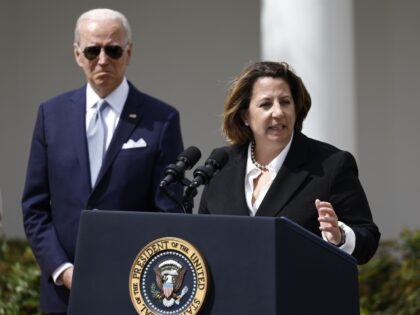
The Biden Justice Department’s former second-in-command, Lisa Monaco, is facing a referral to the Department of Justice over allegations that she buried investigations into Microsoft’s cybersecurity failures before landing a top job at the tech giant, according to a letter from the American Accountability Foundation. This isn’t just another Beltway scandal; it’s a glaring example of the revolving door between Big Tech and the very government agencies tasked with holding Silicon Valley accountable. Monaco, who served as Deputy Attorney General, allegedly slow-walked or suppressed probes into Microsoft’s repeated security lapses, including the catastrophic breaches that exposed sensitive data and, more critically for national security, government systems. Then, with impeccable timing, she reportedly transitioned into a lucrative role at Microsoft itself. The American Accountability Foundation’s letter demands the DOJ investigate whether this sequence smells like a quid pro quo or outright obstruction, and for good reason. When the same people who decide which tech failures get prosecuted later cash paychecks from the companies involved, public trust evaporates.
For the 2A community, this story hits especially hard because it underscores a deeper, more insidious pattern: the fusion of government power and corporate tech monopolies that increasingly treat constitutionally protected activities, including firearms-related speech and commerce, as domestic threats. Microsoft isn’t neutral. Through Azure cloud services, GitHub, LinkedIn, and its vast influence over online infrastructure, the company plays a massive role in content moderation, data harvesting, and the digital public square where gun owners organize, sell lawful products, and share information. If Monaco and her colleagues were shielding Microsoft from scrutiny while the company’s platforms were simultaneously deplatforming conservative voices, Second Amendment advocates, and firearms manufacturers, the conflict of interest becomes a direct threat to civil liberties. We’ve already seen how Big Tech partners with federal agencies to monitor “extremism” that somehow always seems to include lawful gun ownership. A compromised DOJ that looks the other way on Microsoft’s failures while leaning on the company for surveillance capabilities is a nightmare scenario for anyone who values an armed, informed citizenry.
The implications stretch far beyond one deputy AG’s career moves. This referral shines a light on how the administrative state protects its corporate allies at the expense of transparency and accountability, eroding the checks and balances that were designed to prevent exactly this kind of collusion. For gun owners, it’s a stark reminder that the defense of the Second Amendment now requires vigilance not only against overt gun control but against the creeping fusion of tech oligarchs and federal law enforcement. If Microsoft’s security disasters were swept under the rug to protect a future executive’s prospects, what else is being buried? Every time a major platform throttles 2A content, censors training videos, or cooperates with ATF fishing expeditions, remember stories like Monaco’s. They reveal the architecture of selective enforcement that could one day decide your digital footprint makes you too dangerous to exercise your rights. The American Accountability Foundation did its job. Now it’s on all of us to demand real answers and real consequences.


