

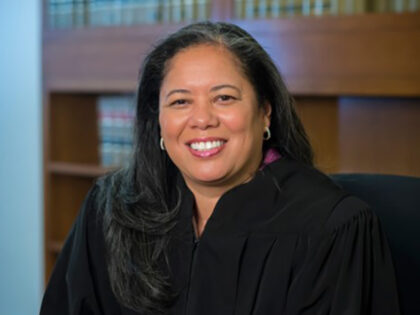
A federal judge appointed by Joe Biden has ordered the Trump administration to reinstall exhibits at national parks that push progressive talking points on race, gender, and climate—essentially demanding that taxpayer-funded public lands serve as billboards for leftist ideology rather than neutral showcases of America’s natural heritage. This isn’t about preserving history; it’s about weaponizing every square inch of federal property to advance a political narrative, and the ruling makes clear that even a change in administration can’t easily dislodge the administrative state’s grip on cultural messaging. For Second Amendment supporters, the move is a flashing warning light: if unelected judges can force ideological content into places as apolitical as Yellowstone or Yosemite, they can just as easily pressure agencies to reinterpret or restrict the very laws that protect our right to keep and bear arms on those same lands.
The deeper problem is institutional capture. National Park Service policies already tilt heavily toward regulatory expansion—think ever-tightening rules on everything from campfires to vehicle access—and layering activist exhibits on top only reinforces the perception that public lands exist to indoctrinate rather than to serve the public. Gun owners who hunt, shoot, or simply carry for self-defense in these areas already navigate a patchwork of conflicting federal, state, and local restrictions; adding a steady drip of “diversity, equity, and climate emergency” messaging signals that the bureaucracy views traditional American pastimes with suspicion. When the same machinery that curates park displays also writes the fine print on magazine capacity, suppressor rules, or interstate transport, the 2A community has every reason to stay vigilant.
The practical takeaway is straightforward: elections matter, but so do the judges, career officials, and cultural gatekeepers who remain long after ballots are counted. Restoring viewpoint neutrality to national parks is a small but symbolic step toward reining in an administrative apparatus that too often treats constitutional rights as obstacles rather than founding principles. If the left can conscript scenic overlooks for its agenda, the right must be equally committed to ensuring those same lands remain open, accessible, and free from compelled political speech—because the same forces shaping park exhibits today will be shaping the regulatory environment for firearms tomorrow.


