

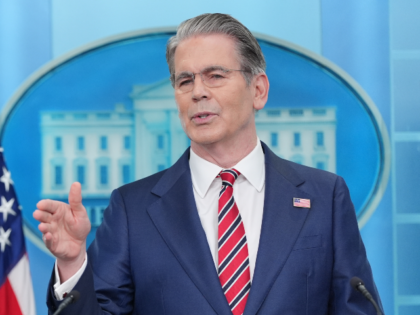
Treasury Secretary Scott Bessent’s blunt warning that President Trump will not accept another weak Iran deal lands like a shot across the bow for anyone who remembers how the last one played out. By refusing to paper over Tehran’s nuclear ambitions with sanctions relief and pallets of cash, the administration is signaling that deterrence, not diplomacy theater, will drive policy. For the firearms community that watched the Obama-era agreement coincide with a surge in Iranian-backed proxies and a flood of cheap imported AK-pattern rifles and 7.62×39 ammo, the message is clear: strength at the top reduces the downstream pressure that always seems to land on law-abiding gun owners when threats abroad spike.
The practical effect is already visible in the market. Uncertainty over whether sanctions will tighten or evaporate tends to whipsaw global commodity prices, and nothing moves brass, powder, and optics faster than the prospect of another Middle East flare-up. A firm stance that keeps enrichment centrifuges cold also keeps the secondary market for milsurp rifles and components from being artificially inflated by panic buying. In short, the same policy that reassures allies and deters adversaries tends to stabilize the supply chain that feeds everything from competition rifles to home-defense carbines.
Longer term, the 2A community has a direct stake in whether Iran is allowed to flirt with breakout capability. Every past cycle of appeasement has been followed by calls for new domestic restrictions—background-check expansions, import bans, or “assault weapon” measures—framed as responses to heightened global risk. By drawing a hard line now, the administration reduces the political oxygen those arguments usually receive. The result is breathing room for the industry to focus on innovation and competition rather than perpetual regulatory defense.


