

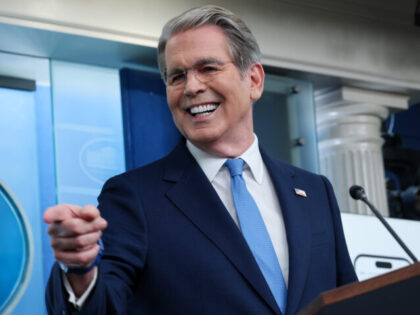
Treasury Secretary Scott Bessent’s jab at Robert Reich wasn’t just a clever line about height—it was a direct shot at the persistent narrative that the current administration’s economic policies are leaving working Americans behind. By highlighting data showing real wage growth and employment gains among lower-income households, Bessent flipped the script on critics who have long claimed that pro-growth, deregulation-focused agendas only benefit the wealthy. For the firearms community, this matters because economic mobility at the lower end often translates into first-time gun ownership, increased participation in the shooting sports, and a broader base of voters who see the Second Amendment as a working-class value rather than an elite hobby.
Reich’s framing—that any policy benefiting businesses or high earners must come at the expense of everyone else—has been a staple of anti-2A messaging for years. When wages rise and blue-collar households feel more secure, they’re more likely to invest in personal protection, join gun clubs, or introduce their kids to the range. Bessent’s counter-narrative undercuts the economic grievance stories that gun-control advocates rely on to portray firearms ownership as a luxury or a threat. Instead, it reinforces the idea that a strong economy and a strong Second Amendment culture rise together.
The larger implication is that the 2A community should pay attention to these economic debates, not just court rulings or legislation. When Treasury officials publicly dismantle the “trickle-down failure” trope with fresh data, they’re also weakening one of the left’s favorite justifications for restricting access to firearms. A growing, confident working class tends to view gun ownership as both a right and a practical tool—something the industry and its advocates would do well to highlight as the recovery narrative takes hold.


