

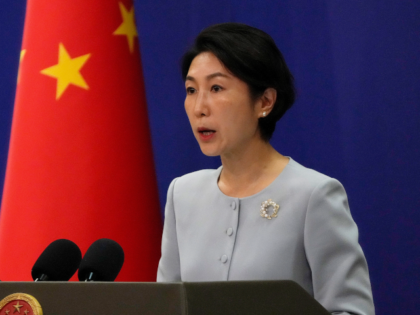
Beijing’s furious reaction to the declassified intelligence dump is less about the documents themselves and more about the timing: a sitting president just handed voters raw evidence that the Chinese Communist Party tried to tilt the scales in an American election. The Foreign Ministry’s demand to “stop vilifying China” lands like a punchline when the evidence shows Beijing treating U.S. sovereignty as optional. For the firearms community, the episode is a stark reminder that foreign adversaries don’t need to land troops on our shores to undermine the constitutional order that protects the Second Amendment; they only need to erode the electoral process that keeps pro-2A majorities in power.
The documents also expose the limits of relying on federal agencies alone to safeguard the republic. When intelligence is declassified at the eleventh hour, it underscores how fragile the information environment has become and why an armed, informed citizenry remains the ultimate backstop. Law-abiding gun owners who have watched years of media and Big Tech suppression of stories inconvenient to Beijing or its domestic allies now have fresh reason to distrust centralized gatekeepers. The right to keep and bear arms isn’t just about personal defense; it’s about preserving the ability of free people to resist both foreign influence and domestic overreach when institutions falter.
Longer term, the episode should accelerate the push for decentralized, transparent election infrastructure and renewed emphasis on domestic manufacturing of critical technologies—moves that align with the same self-reliance ethos that drives the 2A movement. If Beijing can attempt to subvert ballots, it can certainly target supply chains that feed the firearms industry. The lesson for gun owners is clear: vigilance at the ballot box and steel in the safe are two sides of the same constitutional coin.


