

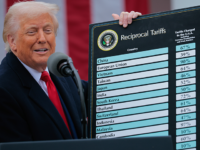
The Trump administration’s latest trade maneuvers are delivering exactly what the Rust Belt was promised—reshored manufacturing lines, fresh capital expenditures, and a renewed sense of industrial self-reliance that extends well beyond the assembly floor. By tightening tariff structures and renegotiating supply-chain exposure, the policy mix is forcing companies to weigh the true cost of offshoring against the security of domestic production, and the early data show factories hiring, tooling up, and retooling older plants rather than chasing the next low-wage jurisdiction. For the firearms sector this matters because barrels, receivers, optics mounts, and specialized steels are no longer hostage to distant ports or unpredictable export controls; a healthier domestic supplier base translates directly into shorter lead times and more predictable component pricing for the very companies that equip the armed citizen.
That same industrial rebound carries a quiet but unmistakable Second Amendment dividend. When critical subsystems—precision machining, high-strength alloys, even specialized coatings—are produced stateside, regulatory leverage shifts away from foreign governments that have, in the past, threatened embargoes or licensing chokepoints at the first sign of political friction. American gun makers gain latitude to expand capacity without waiting on trans-Pacific shipping schedules or navigating the whims of overseas bureaucrats, while the broader ecosystem of tool-and-die shops, heat-treaters, and ammunition-component casters benefits from the same capital inflows. In short, trade victories that revive factory floors also fortify the logistical backbone that keeps lawful commerce in arms and accessories resilient, decentralized, and less vulnerable to extraterritorial pressure.


