

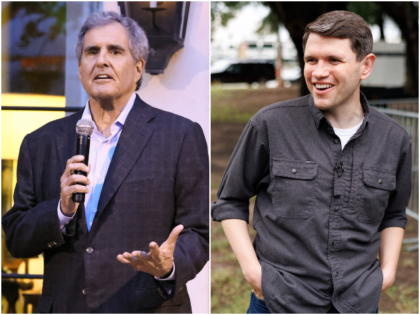
Peter Chernin’s decision to bankroll Democrats like Texas Rep. James Talarico just weeks after cashing checks from A24’s “Backrooms” success is a textbook reminder that Hollywood money rarely stays neutral on the Second Amendment. Chernin’s track record—through 20th Century Fox and his own Chernin Entertainment—has long tilted left, but the optics of a major producer underwriting candidates who routinely back magazine bans, red-flag laws, and “assault weapon” restrictions should not be lost on gun owners who still buy tickets to his films. When the same creative class that profits from stylized gunplay on screen simultaneously funds politicians eager to limit what civilians can own, it underscores a persistent cultural disconnect that the 2A community has watched for decades.
The midterm stakes are concrete: Talarico has championed legislation that would raise the long-gun purchase age and expand background-check bureaucracy, positions that test well in Austin donor rooms but collide with both constitutional text and practical self-defense needs in rural Texas. Chernin’s checks help underwrite the data-driven machinery—polling, digital ads, law-firm muscle—that turns those ideas into committee hearings and floor votes. For Second Amendment supporters, the takeaway is straightforward: cultural influence and political spending are now fused in ways the 1990s gun-control fights never fully anticipated, and primary-season donor disclosures are one of the few early-warning systems the grassroots still have.
None of this is new, but the velocity is. As studios chase global revenue while coastal elites subsidize coastal politics, gun owners who treat entertainment dollars as apolitical are effectively subsidizing their own regulatory opponents. Tracking which producers, agencies, and streaming platforms open their wallets each cycle remains a low-cost form of pattern recognition that can inform everything from studio patronage to state-level PAC contributions.


