

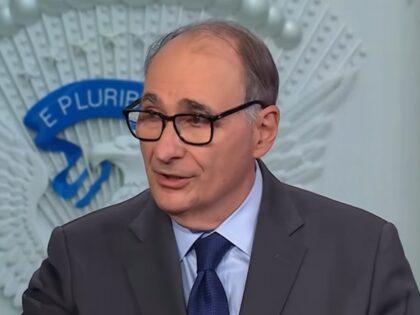
David Axelrod’s reflexive dismissal of President Trump’s vaccine schedule overhaul as “dangerous” and beyond the president’s “standing” is the same reflexive distrust of executive authority that the gun-control lobby has long tried to weaponize against the Second Amendment. When the administrative state is told to justify its childhood vaccine mandates with fresh data, the same voices that once insisted only “experts” could interpret the CDC calendar now claim the president lacks the competence to question it. That double standard is instructive: if the executive branch can’t be trusted to revisit vaccine policy, why should it be trusted to set the terms of lawful firearm ownership? The 2A community has watched this script play out for decades—bureaucrats and media surrogates insisting that only credentialed officials may decide which rights are “reasonable” and which must be curtailed for public safety.
The deeper implication is that institutional credibility, once squandered, cannot be selectively reclaimed. Public-health agencies that spent years moving goalposts on everything from mask efficacy to myocarditis risk now expect instant deference when they redraw the childhood schedule. Gun owners recognize the pattern: an alphabet agency cites “studies,” refuses to release underlying data, then labels dissent “misinformation.” Whether the subject is magazine capacity or vaccine timing, the remedy is the same—sunlight, congressional oversight, and an executive willing to test entrenched assumptions rather than rubber-stamp them. Axelrod’s outburst is therefore less about vaccines than about preserving a technocratic monopoly on truth, a monopoly the Second Amendment was designed to keep forever out of reach.


