

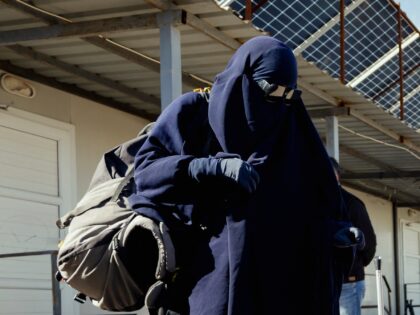
Rayann El Houli’s courtroom renunciation of ISIS and “violent jihad” is less a redemption arc than a reminder that ideology rarely dies in open court—it simply changes venue. The same woman who once traveled to the caliphate to marry into its ranks now claims she has seen the light, yet the legal system still must weigh whether her past allegiance disqualifies her from re-entering Australian society. For Second Amendment advocates watching from afar, the episode underscores a hard truth: when governments disarm their citizens under the banner of public safety, they simultaneously strip away the only practical deterrent against both foreign terrorists and the homegrown sympathizers who may one day renounce the cause but never fully erase the threat they once embraced.
Australia’s sweeping gun-control regime, enacted after Port Arthur and tightened further in recent years, leaves ordinary citizens with few legal tools to harden soft targets or mount an immediate armed response should an ISIS-inspired actor decide court-ordered remorse was only temporary. The 2A community rightly notes that an armed populace does not guarantee zero casualties, but it does raise the cost of any attack and shifts the calculus for would-be jihadists who prefer undefended gatherings. El Houli’s case also exposes the limits of relying solely on intelligence agencies and courts; background-check systems and watch-lists are only as good as the information fed into them, and yesterday’s “bride” can become tomorrow’s concealed-carry instructor if immigration and vetting policies remain porous.
Ultimately, the story is a cautionary tale about trading individual liberty for promised security. While Rayann El Houli may never again pick up a rifle in service of the caliphate, the broader lesson for pro-2A observers is that rights surrendered in the name of counter-terrorism are rarely returned, even after the specific threat recedes. An armed citizenry remains the most distributed, least centralized safeguard against both ideological violence and the slow creep of state overreach that follows in its wake.


