

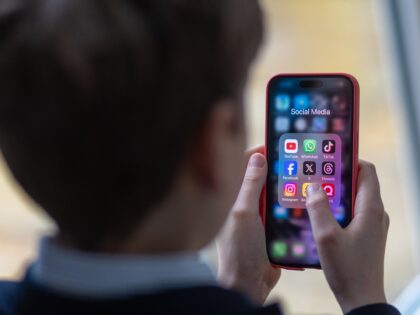
Australia’s attempt to wall off social media for anyone under 16 is already showing the classic signs of a policy that sounds decisive on paper but melts in practice. Researchers tracking usage found that the ban barely dented scrolling time, largely because enforcement relies on age verification that teens can dodge with a few clicks or a borrowed account. The result is another high-profile example of governments promising to “protect the children” while delivering rules that mainly burden compliant families and leave the determined—and the platforms—largely untouched.
For the 2A community this episode is a cautionary tale about the gap between legislative theater and real-world effect. Australia’s gun laws are routinely held up by restriction advocates as proof that sweeping bans “work,” yet the same country’s social-media experiment reveals how difficult it is to change entrenched behavior once the tools exist and the culture has normalized them. If age gates and content filters struggle against motivated teenagers armed only with phones, the notion that confiscation lists or storage mandates will magically disarm criminals or the non-compliant looks even more aspirational. Rights-minded observers see the pattern clearly: when the state tries to regulate culture at scale, technology and human nature tend to route around the obstacles.
The deeper implication is that culture, family responsibility, and individual accountability remain stronger safeguards than top-down edicts. Just as parents who actively manage their kids’ device use achieve better outcomes than blanket prohibitions, gun owners who prioritize training, storage discipline, and community norms outperform jurisdictions that treat ownership itself as the problem. Australia’s social-media stumble reinforces the argument that the Second Amendment’s strength lies not in promising zero risk, but in preserving the liberty to meet real threats with effective tools rather than hoping another unenforced rule will do the job for us.


