

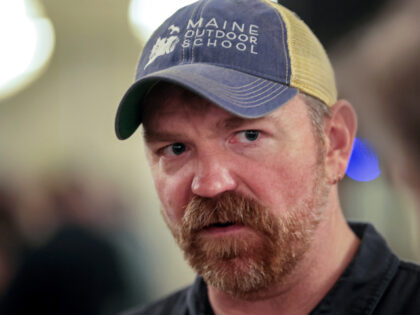
Rep. Jake Auchincloss’s quick dismissal of Maine Senate hopeful Graham Platner over a tattoo and the candidate’s own explanation of it is the latest reminder that Democrats still treat any hint of Second Amendment sympathy as radioactive. Platner’s ink reportedly features imagery or slogans long associated with the gun-rights community, and his unapologetic defense of it signals he may not be willing to mouth the usual pieties about “assault weapons” and “universal background checks.” Rather than engage on policy substance, Auchincloss reached for the disqualifying label, betting that Maine voters will recoil from anyone whose personal expression deviates from coastal-progressive orthodoxy. That reflex reveals how little room exists inside today’s Democratic coalition for even mild deviation on firearms.
For the 2A community the episode is both cautionary and clarifying. It shows that symbolic litmus tests—tattoos, bumper stickers, social-media likes—are now being weaponized to police candidates before they ever reach a debate stage. If a single piece of body art can be spun into career-ending “commentary,” then open carriers, competitive shooters, and military veterans with pro-rights patches risk similar treatment. At the same time, the episode spotlights an opportunity: Maine’s famously independent electorate has a long tradition of rejecting Beltway scripts on guns, from shall-issue carry to opposition to magazine bans. If Platner refuses to self-censor, he could force a broader conversation about whether Democratic voters in rural states are truly as monolithic on firearms as their Washington representatives assume.
The larger implication is that the party’s cultural-enforcement wing is tightening, not loosening, its grip. Auchincloss’s preemptive strike suggests Democratic strategists fear any candidate who might peel off even a sliver of working-class or sportsman support by sounding reasonable on the right to keep and bear arms. That fear is well-founded; polling consistently shows that large majorities of Americans, including many Democrats outside deep-blue enclaves, support shall-issue permitting, oppose confiscation schemes, and view the Second Amendment as an individual right. By framing a tattoo and honest commentary as disqualifying, Auchincloss is effectively conceding that his side cannot win an argument on the merits and must instead rely on social stigma. For gun owners watching the 2026 cycle, the message is simple: the cultural battle space is shrinking, and candidates who refuse to surrender their personal expression may be the only ones worth supporting.


