

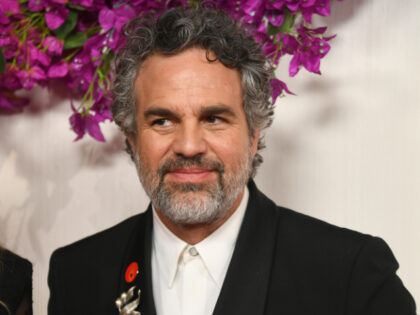
Mark Ruffalo’s latest outburst against the proposed Disney-Paramount merger has drawn fire from the Anti-Defamation League, the Simon Wiesenthal Center, and the Creative Community for Peace, who accuse the actor of invoking classic antisemitic tropes about Jewish control of media. The groups point to Ruffalo’s claim that a merged “Jewish-run” entertainment giant would “silence dissent,” language that echoes longstanding conspiracy theories rather than legitimate antitrust concerns. While the merits of any media merger deserve scrutiny, the swift, cross-organizational rebuke underscores how quickly accusations of antisemitism can eclipse substantive policy debate in Hollywood.
For Second Amendment advocates, the episode is a reminder that cultural power and corporate consolidation are two sides of the same coin. When a handful of entertainment conglomerates dominate the narrative pipeline—from newsrooms to streaming platforms—messages that challenge the prevailing orthodoxy on guns, self-defense, or constitutional rights can be throttled before they reach the public. Ruffalo’s rhetoric may have been reckless, but the underlying anxiety about concentrated influence resonates with pro-2A creators who have watched once-friendly platforms demonetize, deplatform, or algorithmically bury content that defends the right to keep and bear arms.
The larger implication is strategic: the firearms community must treat cultural leverage as seriously as legislative work. Building independent production pipelines, alternative distribution networks, and audience-owned platforms isn’t just smart business—it’s a hedge against the day when legacy gatekeepers decide that stories celebrating the Second Amendment are, by definition, outside the bounds of acceptable discourse.


