

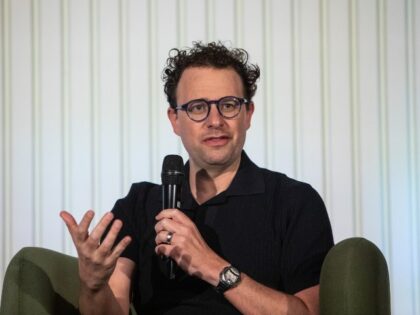
Dario Amodei’s blunt prescription—that AI firms must literally cure cancer before the public will trust them—reveals a deeper truth about how Americans now judge every high-stakes technology: by whether it delivers tangible, life-saving results rather than glossy slide decks. The firearms community has lived this reality for decades. Every time a new rifle, optic, or suppressor is introduced, shooters don’t ask for promises; they ask for measurable gains in accuracy, reliability, and safety. That same standard is now being applied to AI, and the lesson for Second Amendment advocates is clear: when the public demands proof over hype, the burden shifts to innovators to show real-world value instead of asking for blind faith.
The parallel runs deeper than rhetoric. Just as the gun-control lobby pushes sweeping restrictions based on speculative fears of “assault weapons” or “ghost guns,” Amodei warns that AI skeptics will harden into outright opposition if companies keep selling vaporware. Pro-2A voices have long argued that the right response to misuse is not prohibition but responsible engineering—better training, better safeties, better education. Amodei’s stance suggests the AI sector may finally be learning the same lesson: the surest way to preserve the freedom to develop powerful tools is to prove they can be wielded for good, whether that means diagnosing tumors or defending homes.
For gun owners, the takeaway is strategic. The same cultural moment that now demands AI “cure cancer” also rewards practical demonstrations of how privately owned firearms deter crime, enable self-reliance, and support communities. Rather than ceding the narrative to worst-case hypotheticals, the 2A movement can point to data on defensive gun uses, the success of shall-issue carry, and the role of armed citizens in disaster response. In an era allergic to empty promises, concrete results—whether in silicon or steel—are the only currency that still buys public trust.


