

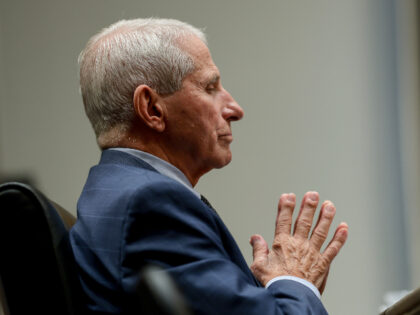
Anthony Fauci’s lawyer’s dismissal of the contempt vote as a “crude political stunt” is the latest reminder that Washington’s accountability theater rarely touches the people who actually wield power. While the former chief medical adviser’s legal team spins the Senate’s move as partisan theater, the underlying issue is the same one that surfaces every time an agency or official stonewalls congressional oversight: the permanent bureaucracy believes it answers to no one. For Second Amendment supporters, that attitude is especially familiar. ATF rule-writers, DOJ policy shops, and even public-health agencies have all tried to stretch statutes or invent new definitions—bump-stock bans, pistol-brace reclassifications, “ghost gun” edicts—without fresh legislation. When the same officials later refuse to explain their reasoning under oath, the pattern becomes impossible to ignore.
The contempt mechanism exists precisely because polite letters and subpoena games have proven toothless against entrenched officials. Yet the real leverage for gun owners has always been downstream: every contempt citation, IG report, or FOIA release feeds the next round of litigation, oversight hearings, and election-cycle messaging. Groups like the GOA and SAF already use these paper trails to challenge agency actions in court; a finding that Fauci’s team withheld documents simply adds another precedent that judges can cite when ATF’s next “interpretation” lands on the docket. In practical terms, the fight over one doctor’s testimony is also a fight over whether any federal employee can treat Congress—and by extension the voters who fund the agencies—as optional.
What matters most to the 2A community is not the political optics but the institutional habit being normalized. If contempt findings are waved away as stunts whenever the official is popular with one party, then future administrations will feel free to embargo records on everything from pistol-brace data to tax-stamp processing times. The corrective is relentless documentation and a willingness to use every procedural tool—appropriations riders, inspector-general referrals, civil suits—rather than hoping the next election magically restores transparency. In that sense, the Fauci contempt vote is less about one man and more about whether the administrative state learns that its rules, like its budgets, still require consent of the governed.


