

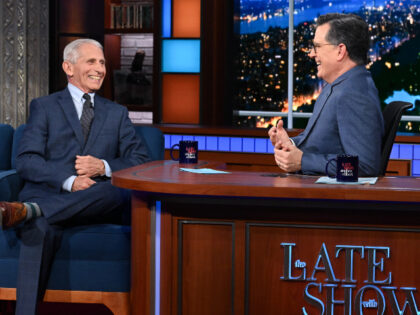
Anthony Fauci’s diary entry about his “explosive and really unimaginable” fame is more than a peek behind the curtain of pandemic celebrity—it’s a case study in how unelected officials can leverage media adoration to shape policy without democratic accountability. While the public health bureaucracy basked in nightly cable-news glow, millions of Americans watched their constitutional rights get treated like optional guidelines. The same agencies that demanded mask mandates and business closures often treated the Second Amendment as an afterthought, issuing guidance that treated gun stores as “non-essential” while liquor outlets stayed open. That selective definition of essential commerce wasn’t just tone-deaf; it exposed a worldview in which individual self-defense is viewed as expendable whenever experts decide the collective good demands it.
For the 2A community, the diary underscores a deeper institutional bias: the same administrative state that relished its moment in the spotlight has repeatedly shown hostility to an armed citizenry that operates outside its control. When Fauci’s fame translated into policy influence, the right to keep and bear arms was among the first liberties framed as a public-health risk rather than a constitutional guarantee. Gun owners who resisted lockdown orders on ranges and in shops weren’t rejecting science—they were rejecting the premise that popularity in Washington should override enumerated rights. The episode is a reminder that celebrity bureaucrats rarely relinquish power voluntarily; eternal vigilance, backed by the ballot box and the firearm, remains the only reliable check.


