

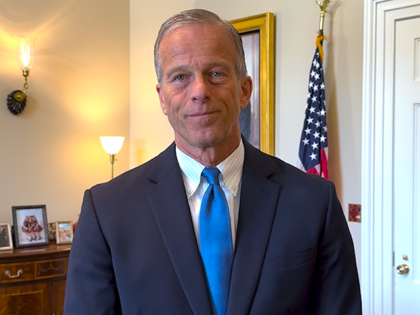
Senate Majority Leader John Thune’s remarks on America’s upcoming 250th anniversary strike a deeper chord for those who understand that the freedoms we celebrate were never gifts—they were secured by arms and defended by citizens who refused to be disarmed. When Thune points to the “faces etched upon Mt. Rushmore” as the architects of our future, he is invoking the same revolutionary spirit that produced the Second Amendment: a deliberate check against tyranny written by men who had just fought a war with privately owned muskets and cannons. The anniversary is not merely a time for fireworks and flag-waving; it is a reminder that the right to keep and bear arms remains the practical guarantee that the liberties Washington, Jefferson, Lincoln, and Roosevelt helped shape will not be quietly negotiated away by bureaucrats or judges who view the Constitution as optional.
For the 2A community, Thune’s timing is especially pointed. As states and federal agencies continue to test the boundaries of shall-issue carry, magazine restrictions, and “assault weapon” bans, the 250th anniversary offers a national stage to reframe the debate around first principles rather than incremental concessions. The men on the mountain did not secure independence so that future generations could beg permission slips to defend themselves; they secured it so that an armed populace would remain the ultimate backstop against both foreign invasion and domestic overreach. Celebrating that inheritance means more than nostalgia—it means pushing back against every new restriction that treats law-abiding gun owners as the problem rather than the solution.
The real implication of Thune’s message is that constitutional memory is a form of resistance. When the 250th arrives, the 2A community should treat it as an opportunity to remind the country that the same document that created the presidency and the courts also enshrined the people’s right to remain armed. That right is not a policy preference or a cultural relic; it is the mechanism that keeps every other freedom from becoming a revocable privilege. As the anniversary approaches, the question is not whether we will honor the founders—it is whether we will still possess the means and the will to defend what they built.


