

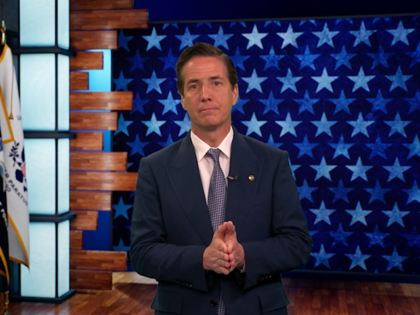
Bernie Moreno’s journey from immigrant to U.S. senator embodies the very promise that makes the Second Amendment more than parchment—it is the practical guarantee that every law-abiding citizen can defend the life, liberty, and property they have worked to build. When Moreno calls becoming an American “one of the greatest honors of my life,” he is not reciting platitudes; he is acknowledging that the constitutional order he now helps steward was deliberately designed to keep government from ever again becoming the sole arbiter of personal security. For the 2A community, his story is a reminder that the right to keep and bear arms is not an abstract debating point but the tangible mechanism that allows newcomers and natives alike to stand on equal footing against threats both criminal and governmental.
Moreno’s emphasis on safeguarding the American Dream carries direct implications for firearm policy. As states experiment with magazine bans, permitting schemes, and “assault weapon” restrictions, his insistence that future generations must “experience the freedoms that make this country so exceptional” signals a willingness to defend the individual right to effective self-defense rather than defer to bureaucratic gatekeepers. In an era when progressive cities treat lawful gun ownership as suspect while crime rates climb, a senator who personally tasted the contrast between limited and limitless government is positioned to argue that the Second Amendment is the firewall between the American experiment and the collectivist models many immigrants fled.
The larger takeaway for pro-2A advocates is that demographic change need not equal political surrender. Moreno’s election demonstrates that voters who value ordered liberty—including the liberty of armed self-reliance—can be assembled across ethnic and national-origin lines when the message is framed around opportunity rather than grievance. His presence in the Senate expands the coalition willing to treat the right to arms as a civil right, not a cultural inheritance, and it undercuts the narrative that only native-born Americans care about preserving the tools of freedom.


