

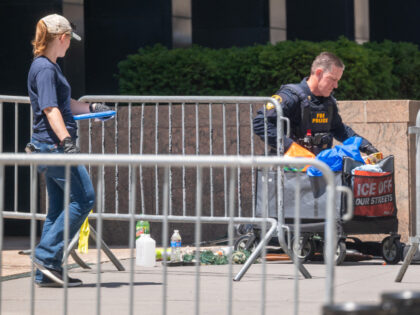
The identification of Andrew Arrabaca as the alleged attacker at 26 Federal Plaza underscores a troubling pattern that gun owners have watched unfold for years: when violence occurs near federal buildings, the media and political class often pivot straight to the hardware rather than the human being holding it. Arrabaca’s background, not the make or model of any firearm, is what actually matters here, yet the reflexive call for new restrictions will almost certainly ignore his personal history, mental-health red flags, or prior contacts with law enforcement. That reflex is precisely why the 2A community must keep hammering the point that criminals and the dangerously unstable already operate outside existing law; further narrowing the rights of the law-abiding only widens the gap between paper rules and street reality.
For everyday carriers and the broader pro-2A audience, this episode is another reminder that federal facilities remain soft targets precisely because they are posted as gun-free zones. Law-abiding citizens who could otherwise provide an immediate armed response are disarmed by policy, not by physics, leaving only the attacker’s timetable between the first shot and the arrival of trained responders. The data from defensive-gun-use studies continues to show that armed citizens frequently end threats faster than waiting for official help, yet the same officials who tout “sensitive places” rarely acknowledge how those designations turn public buildings into shooting galleries for anyone willing to ignore the sign.
Longer term, cases like Arrabaca’s feed the narrative machinery that treats every incident as proof that more citizens with guns equals more danger, when the statistical counter-argument remains straightforward: the overwhelming majority of legally armed Americans never appear in these headlines. The 2A community’s task is to keep separating the actor from the tool, to spotlight failed security protocols and ignored warning signs, and to reject the premise that disarming the responsible will somehow constrain the reckless.


