

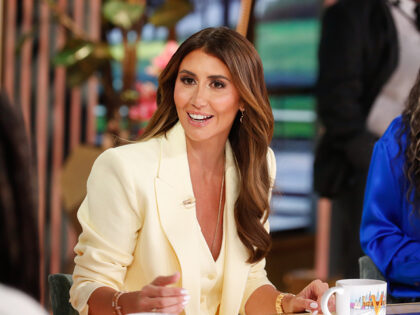
Alina Habba’s swift dismissal of rumors that she might become the next White House press secretary is more than a personnel footnote—it’s a reminder that the Trump orbit still prizes lawyers who can litigate in the courtroom and on cable news with equal force. Habba, who cut her teeth defending the former president in high-stakes civil and criminal matters, has become a recognizable face to millions of gun owners who watched her dismantle what they view as lawfare aimed at political opponents. By staying in the legal arena rather than pivoting to the briefing-room podium, she keeps a voice that can push back against regulatory overreach from agencies like the ATF without the constraints of official messaging discipline.
For the 2A community, that matters. A press secretary must parrot administration policy; an outside litigator can challenge rules in court, file amicus briefs, and shape public opinion before those rules ever reach the Federal Register. Habba’s track record—aggressive cross-examinations, rapid-response media hits, and a willingness to call out procedural abuses—mirrors the strategy gun-rights groups have used to stall pistol-brace rules, frame-receiver restrictions, and “ghost gun” edicts. Her decision to remain in that lane signals that the incoming administration may rely on a bench of seasoned advocates who treat every ATF letter as potential litigation material rather than settled law.
The larger implication is philosophical as much as tactical: the surest way to safeguard the Second Amendment may not be better press releases but continued courtroom combat against an administrative state that writes rules first and asks for statutory authority later. By declining the podium, Habba effectively keeps her powder dry for the legal fights that actually determine whether the right to keep and bear arms remains a lived reality or merely a talking point.


