

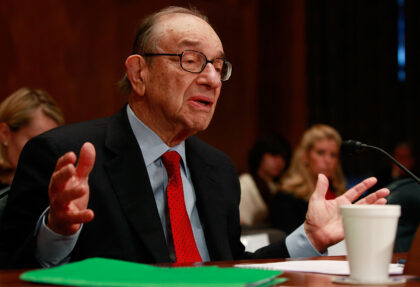
Alan Greenspan’s death at 100 closes the ledger on a man whose fingerprints are all over the modern American economy, from the roaring 1990s boom he helped midwife to the 2008 meltdown whose seeds he helped plant. The “Maestro” kept interest rates artificially low for years, inflating asset bubbles that eventually burst and left millions of homeowners underwater; when the music stopped, the same political class that once hailed his wizardry suddenly needed a scapegoat. For the 2A community the lesson is blunt: the same central-planning mindset that distorts money and credit also fuels the regulatory reflex that treats the right to keep and bear arms as just another “systemic risk” to be managed. Greenspan’s long reign proved that technocrats rarely stop at economics; once they decide they can steer the business cycle, they rarely hesitate to steer culture and constitutional rights as well.
That impulse is visible today in the steady drumbeat of “public-safety” rules that treat firearms like adjustable monetary instruments—subject to the same discretionary control that Greenspan once exercised over the federal-funds rate. When the Fed can conjure trillions in liquidity with a keystroke, it becomes easier for lawmakers to argue that magazines, braces, or pistol grips are likewise “excessive” and therefore regulable by administrative fiat. The 2A response must be the same one sound-money advocates have long made: insist on hard limits—textual, structural, and cultural—that no chairman, living or dead, can override. Greenspan’s legacy is a reminder that concentrated power, whether over currency or over cartridges, tends to expand until it meets immovable resistance.


