

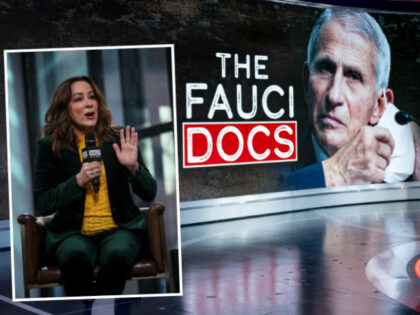
Patricia Heaton’s blunt assessment of Anthony Fauci’s pandemic-era behavior lands like a well-placed shot on a steel plate: the former NIAID director wasn’t merely “following the science,” he was basking in the spotlight while millions of Americans were stripped of their livelihoods, their schooling, and their basic liberties. The newly released Fauci diaries reveal a man who appeared to relish the power that came with every shifting mandate, every contradictory press briefing, and every closed small business. For a nation already weary of top-down edicts, Heaton’s words crystallize a growing suspicion that public-health theater was as much about personal prestige as it was about stopping a virus.
That same suspicion resonates deeply with Second Amendment advocates who watched governors and mayors weaponize emergency powers to shutter gun stores, halt range training, and even ban ammunition sales under the guise of “non-essential” activity. When the same officials who claimed authority to lock citizens in their homes simultaneously argued that the right to keep and bear arms could be paused by fiat, the message was unmistakable: rights are privileges doled out by bureaucrats, not protections against them. Heaton’s critique of Fauci’s ego trip therefore doubles as a warning—once government officials taste unchecked authority, they rarely volunteer to relinquish it, whether the arena is public health or the private sale of firearms.
The takeaway for the 2A community is straightforward: every expansion of emergency power, no matter the justification, must be met with immediate, organized pushback. The pandemic proved that rights can be suspended faster than a magazine can be emptied, and that the officials who suspend them often enjoy the process. Patricia Heaton may be speaking about one man’s vanity, but her larger point applies to every future crisis—real or manufactured—where the same impulse to control could again target the tools citizens need to defend themselves when government fails to do so.


