

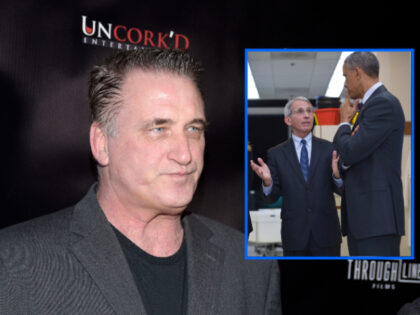
Daniel Baldwin’s reversal on Barack Obama and Anthony Fauci is more than a celebrity mea culpa—it’s a window into how the same administrative state that once enjoyed reflexive deference is now being judged by its own former supporters. Baldwin’s blunt language (“criminal,” “should go to prison”) lands at a moment when the public is finally seeing the full paper trail of the Obama-era Fast and Furious gun-walking scheme, the weaponization of federal agencies against lawful gun owners, and Fauci’s documented role in shaping COVID-era edicts that sidelined Second Amendment–supporting small businesses while enriching large corporate donors. When an actor whose family name is synonymous with coastal liberalism starts echoing arguments that were once confined to gun forums and rural coffee shops, it signals that the cultural monopoly on “respectable” opinion about federal power is cracking.
For the 2A community, the takeaway is strategic rather than symbolic. Baldwin’s comments reinforce the long-standing argument that regulatory overreach and selective prosecution are two sides of the same coin: an ATF that can invent a brace rule overnight, a DOJ that can resurrect century-old statutes to target pistol braces or solvent traps, and public-health bureaucracies that can shutter gun stores under emergency orders all rely on the same elastic view of executive authority. If that authority is now being questioned by people who once applauded it, the political space for restoring checks—constitutional carry, national reciprocity, defunding abusive agencies—widens. The Baldwin moment is therefore less about one actor’s redemption tour and more about the slow migration of institutional trust away from the very alphabet agencies that have spent the last decade treating the Second Amendment as a conditional privilege rather than a constitutionally protected right.


