

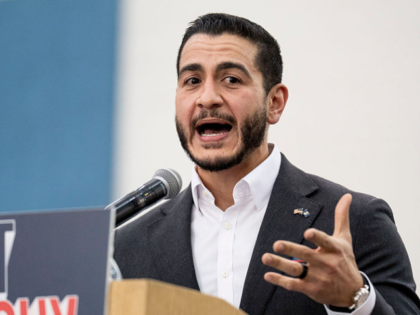
Abdul El-Sayed’s pitch for a Medicare-for-All system that erases every premium, copay, and deductible sounds like a free lunch until you remember who actually pays the tab. Michigan’s Democratic Senate candidate is promising a universal guarantee with zero patient costs, yet the math is simple: every dollar that used to come from individuals would shift to taxpayers, and the bill would be enormous. For the firearms community that already shoulders the cost of defending the Second Amendment in courtrooms and statehouses, the prospect of another massive entitlement program means higher taxes that could crowd out the resources needed to fight magazine bans, red-flag laws, and ATF overreach.
The deeper implication is that once government becomes the sole payer, it gains leverage over every medical decision—including whether a gunshot wound qualifies for “medically necessary” treatment or whether a physician can treat a patient who owns firearms without triggering reporting requirements. History shows that single-payer systems ration care through waiting lists and utilization review; an armed citizen who needs rapid trauma care or mental-health clearance after a defensive shooting could find those services delayed or denied by bureaucrats balancing budgets rather than patient outcomes. Meanwhile, the same political class pushing zero-cost care is often the same one pushing zero-tolerance gun policies, creating a double bind where citizens fund the system and then face restrictions on the tools they might need when the system fails them.
In practical terms, El-Sayed’s proposal would accelerate the transfer of wealth from working gun owners to a centralized health bureaucracy while simultaneously expanding the administrative state’s reach into private medical records. The 2A community has seen this pattern before: new spending programs create new dependencies, and dependencies become leverage points for future gun-control measures. Whether the issue is funding litigation against assault-weapon bans or preserving the ability to choose a trauma surgeon without network restrictions, the cost of “free” health care is ultimately measured in lost liberty as much as lost dollars.


