

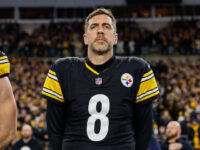
Aaron Rodgers’ blunt dismissal of Anthony Fauci as “an absolute coward” lands like a perfectly placed deep ball—short, sharp, and impossible to ignore. The quarterback’s criticism isn’t just personal; it’s a referendum on the credibility gap between the public-health priesthood and the millions of Americans who watched shifting goalposts, suppressed debate, and institutional doublespeak turn into policy. For the 2A community, the moment resonates because the same reflexive deference to “experts” that Rodgers is calling out has long been weaponized against gun owners—whether through emergency “public-health” orders that shuttered ranges while liquor stores stayed open, or through academic models that treat lawful carry as a contagion rather than a constitutional right.
What makes Rodgers’ shot across the bow especially potent is its timing. With trust in federal agencies already cratering, his willingness to name names signals that cultural heavyweights outside the usual gun-culture orbit are now comfortable rejecting the reflexive “trust the science” mantra. That matters when the next wave of restrictions arrives dressed in the language of safety—red-flag edicts, magazine bans, or “assault-weapon” rules justified by the same technocratic certainty that once promised two weeks to flatten the curve. The 2A community has learned the hard way that once an expert class is allowed to suspend normal constitutional scrutiny under the banner of crisis, the precedent rarely expires when the crisis does.
The larger implication is strategic as well as rhetorical. Rodgers’ candor widens the Overton window, giving fence-sitting athletes, artists, and suburban voters permission to question not just pandemic policy but any policy that asks citizens to trade enumerated rights for expert assurances. In an era when the administrative state keeps finding new dress codes for the same old power grabs, that permission slip is itself a form of ammunition.


