

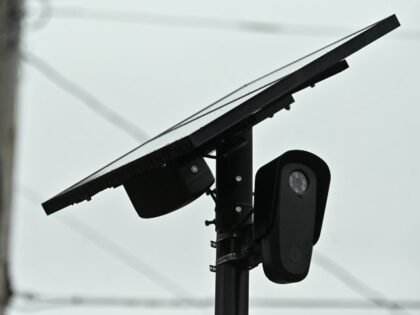
Four former Savannah Police Department employees, including three sworn officers, now face criminal charges after a Georgia Bureau of Investigation probe uncovered the unauthorized use of the department’s Flock Safety license-plate camera network. The arrests underscore a growing pattern: the same surveillance dragnet originally sold to cities as a narrow tool for recovering stolen cars is being quietly repurposed for fishing expeditions, personal vendettas, and political score-settling. When officers themselves treat the system as a private database rather than a tightly audited law-enforcement resource, the public’s already thin expectation of privacy evaporates.
For Second Amendment supporters, the episode is a cautionary tale about mission creep and the permanent record. Every scan of a lawfully carried firearm owner’s vehicle—whether that owner is heading to a range, a gun show, or a political rally—becomes a data point that can be queried months or years later by any insider with a password. The same agencies that insist “law-abiding gun owners have nothing to hide” are proving they cannot police their own access to the digital trails those owners leave behind. Once the infrastructure exists, limiting its use depends entirely on the integrity of the humans who control it, and Savannah’s arrests show how fragile that assumption is.
The larger implication is chilling for due-process and the right to keep and bear arms: ubiquitous plate readers create a de-facto registry of Americans who exercise their Second Amendment rights by simply driving to a shooting range or a gun store. Rather than expanding unaccountable surveillance, legislatures should demand strict warrant requirements, publicly auditable logs, and stiff penalties for misuse—protections that would safeguard both privacy and the practical ability to exercise constitutional freedoms without creating a digital trail for tomorrow’s politically motivated investigation.


