

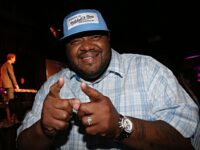
The sudden passing of Grizz Chapman, the towering actor best known for his recurring role as the lovable, larger-than-life security guard on “30 Rock,” hits differently when you consider how Hollywood has long treated firearms on screen. Chapman’s character often embodied the kind of physical presence that, in real life, might have carried a sidearm for protection in high-risk environments; yet the show’s writers leaned into comedy that poked fun at guns rather than portraying responsible ownership. That creative choice reflected a broader industry pattern where armed self-defense is either mocked or omitted, leaving audiences with the impression that only villains or caricatures need tools for protection—an impression the 2A community has spent decades pushing back against through training, legislation, and cultural storytelling of its own.
Chapman’s death at just 52 also underscores a quieter reality the gun-rights world confronts daily: the fragility of life and the importance of being prepared before tragedy strikes. While mainstream outlets will focus on his comedic legacy and tributes from co-stars, the 2A lens invites a different takeaway—every law-abiding citizen should have the means and mindset to defend themselves and their families, because no one knows when their last day might come. Chapman’s imposing frame made him a natural fit for roles that could have highlighted security professionals who carry responsibly; instead, the cultural narrative often defaults to “guns bad,” sidelining the millions of Americans who train, qualify, and carry daily without incident.
For the firearms community, moments like this serve as quiet reminders that cultural figures come and go, but the right to keep and bear arms remains a constant safeguard against uncertainty. Rather than waiting for Hollywood to humanize lawful carriers, 2A advocates continue building their own platforms—podcasts, training channels, and local ranges—where responsible ownership is normalized instead of caricatured. Chapman’s exit from the stage is a loss for fans of sharp sitcom writing, yet it also spotlights how much ground remains for pro-2A voices to claim in shaping the stories Americans see about security, preparedness, and the tools that make both possible.


