

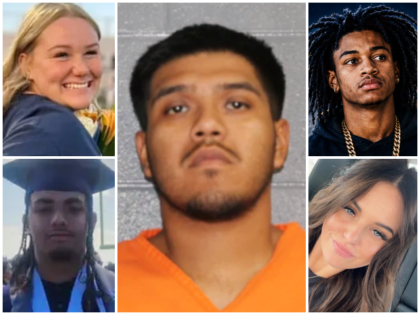
In the wake of this devastating crash in Canadian County, Oklahoma, the revelation that the accused drunk driver holds DACA status exposes a glaring failure in how federal protections are extended without ironclad safeguards. Deferred Action for Childhood Arrivals was pitched as a narrow, temporary shield for those brought here young, yet it has ballooned into a de facto amnesty program shielding hundreds of thousands from deportation—even when criminal behavior surfaces. The fact that this individual, shielded by DACA, allegedly took four American lives while impaired behind the wheel underscores how lax vetting and enforcement priorities can turn a humanitarian policy into a vector for preventable tragedy, a pattern that echoes across sanctuary jurisdictions where immigration status too often trumps public safety.
For the firearms community, this incident carries direct 2A resonance because it highlights the same institutional mindset that seeks to restrict law-abiding citizens’ access to defensive tools while simultaneously failing to remove demonstrably dangerous non-citizens from our streets. When government programs prioritize shielding illegal entrants over swift removal of those who violate our laws, the resulting environment of heightened risk makes the individual right to keep and bear arms not merely a constitutional safeguard but a practical necessity for families navigating roads, neighborhoods, and daily life where enforcement gaps persist. Law-abiding gun owners already face mounting regulatory pressure; stories like this reinforce why any erosion of Second Amendment protections must be met with skepticism, as they coincide with policies that import or retain threats rather than neutralize them at the border or through interior enforcement.
Ultimately, this case should prompt renewed scrutiny of DACA’s scope and the broader immigration enforcement apparatus, because the human cost—four young Americans cut down—demands accountability that extends beyond one driver to the officials and statutes that enabled his continued presence. For pro-2A advocates, it serves as a stark reminder that rights are exercised in a real-world context shaped by policy choices: secure borders and consistent removal of criminal aliens strengthen the environment in which constitutional carry and self-defense rights flourish, whereas permissive frameworks that tolerate recidivist threats only amplify the case for an armed citizenry prepared to protect what government sometimes will not.


